the Dog Keto Diet
dog keto diet

In May 2024, my dog Benny was diagnosed with lymphoma, and our journey has been one of relentless dedication and hope. I decided to give him chemotherapy, and almost every alternative route in addition. To support his healing, I’ve incorporated hyperbaric oxygen therapy and a strict ketogenic diet.
Beyond diet and medical interventions, I’ve been giving him an extensive list of supplements, carefully chosen to support his immune system, manage inflammation, and optimize his overall well-being. I also give him nightly frequency healing with my rife machine. This journey has been intense, filled with research, trial and error, and unwavering commitment to giving Benny the best possible chance. Despite the challenges, his will to live drives me to continue.

Learn how to cook a ketogenic diet for your dog
Supplements
As an Amazon Associate I earn from qualifying purchases.

-
A nutrient-dense blue-green algae that may help support overall wellness.*
-
Contains antioxidants such as phycocyanin, which may help support oxidative balance.*
-
May play a role in supporting immune function.*
-
Naturally contains chlorophyll, which may assist in detoxification*
-
May help support gut health by promoting beneficial gut bacteria.*
-
Provides essential vitamins and minerals that contribute to general well-being.*
Spirulina

Moringa
-
Contains antioxidants like quercetin and chlorogenic acid, which help support cellular health.*
-
Rich in plant-based nutrients that may contribute to overall wellness.*
Broccoli
-
A natural source of sulforaphane, a compound studied for its role in cellular health.*
-
May support the body’s natural detoxification processes.*

Mushroom Mix
Reishi
-
Traditionally used to help support immune health.*
-
May help promote overall well-being and vitality.*
Shiitake
-
Contains lentinan, a compound that may support immune function.*
-
May help maintain overall immune balance.*
Maitake
-
Contains beta-glucans, which may play a role in immune function.*
-
Often used as part of a balanced wellness routine.*
Chaga
-
A natural source of antioxidants that may help support overall health.*
-
Traditionally used for immune support.*
Lion’s Mane
-
May support cognitive function and nervous system health.*
-
Contains natural compounds with emerging research on their role in wellness.*
Ashwagandha
-
An adaptogen that may help support stress management and overall well-being.*
-
Traditionally used to promote relaxation and balance.*

-
A natural polyphenol found in green tea, known for its antioxidant properties.*
-
May support oxidative balance and overall cellular health.*
-
Should be given with food; only caffeine-free EGCG is recommended for pets.


-
A proprietary extract from shiitake mushrooms, traditionally used for immune support.*
-
Contains polysaccharides that may help support overall wellness.*


Fats and Treats
As an Amazon Associate I earn from qualifying purchases.


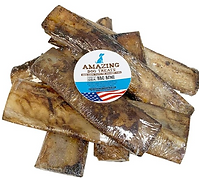


-
Less carbs than beef liver
-
Vitamin B12 – Supports energy production, brain function, and red blood cell formation.
-
Iron – Promotes oxygen transport in the blood
-
Zinc – Boosts the immune system.
-
Phosphorus – Essential for bone and teeth strength.
-
Contains natural glucosamine and chondroitin
Dried Beef Lung
Supplies
As an Amazon Associate I earn from qualifying purchases.



Donate to Benny's GoFundMe
The Keto Diet and it's effect on cancer
The ketogenic diet (keto) is a high-fat, low-carbohydrate, moderate-protein diet designed to shift the body’s metabolism from glucose dependence to fat-derived ketone bodies for energy. According to Dr. Thomas Seyfried, this metabolic state, known as nutritional ketosis, can help starve cancer cells, which rely heavily on fermentable fuels like glucose and glutamine for growth. By restricting carbohydrates, keto reduces blood glucose and insulin levels, creating an unfavorable environment for cancer cells while supporting normal cells’ survival through oxidative metabolism.
Seyfried’s Press-Pulse Therapy is a therapeutic approach that combines chronic metabolic stress (“press”)—such as sustained ketosis and calorie restriction—with acute, targeted metabolic interventions (“pulse”), like hyperbaric oxygen therapy, specific drugs, or fasting-mimicking cycles. The idea is to weaken cancer cells by pressing them into metabolic stress and then delivering a strategic “pulse” to further impair their survival mechanisms. This approach aims to exploit cancer’s metabolic vulnerabilities, potentially reducing tumor growth while minimizing damage to healthy cells.